Map demand before choosing a region
Use application analytics to identify paying users, user-facing request paths and dependencies such as databases or third-party APIs. A nearby city is a useful candidate, not a latency guarantee.
Compare Taiwan, Hong Kong, Japan and Singapore
Taiwan may suit locally concentrated demand; Hong Kong can be evaluated for cross-border workloads; Japan and Singapore are candidates for broader APAC coverage. Compare each candidate from the same user networks with the same application build and data set.
Separate server response from network delay
Measure DNS, TCP and TLS setup, time to first byte, request duration and error rate. Test dynamic pages separately from CDN-cached assets. A fast ping does not rule out slow database queries or insufficient application workers.
Record peak-hour route evidence
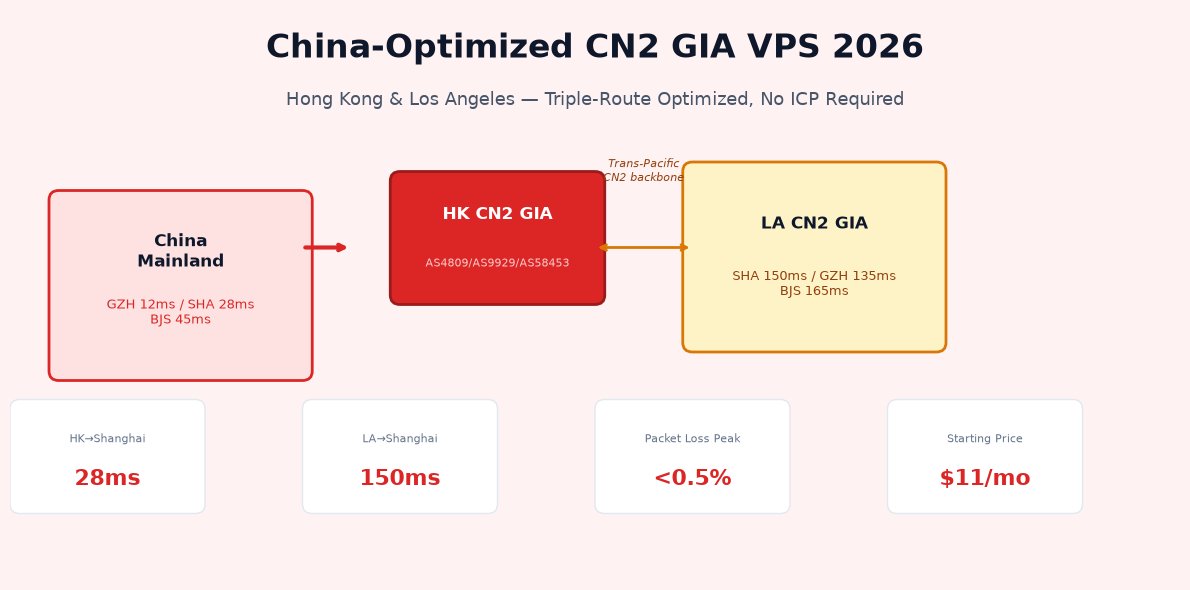
Keep the test date, timezone, source ISP, destination and raw MTR output. Test both IPv4 and IPv6 if used. Intermediate-hop ICMP loss alone does not establish packet loss at the destination.
Account for operations and recovery
Include administration access, transfer allowances, backups, restore time and cross-region data transfer in the comparison. Decide whether a second region provides a tested recovery path or merely doubles operational complexity.
Run a controlled pilot
Start with a representative workload, measure peak demand and define acceptance thresholds before expanding. Choose a billing term after confirming performance, renewal costs and support scope for the selected configuration.