Deployment goal
Compare access from the networks your Korean users actually use. Record both directions and peak-period results instead of assuming an ISP name guarantees a route.
Test the ISP paths that matter
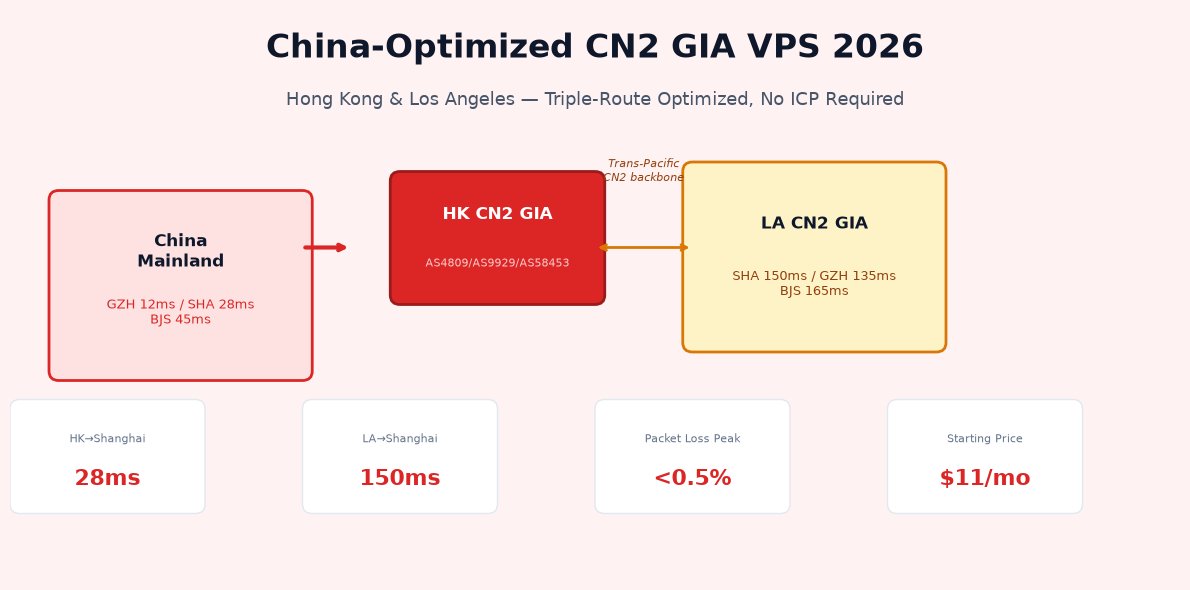
KT, SK and other network names describe possible connectivity, not a universal promise about each subscriber path. Include fixed-line, mobile and relevant overseas sources when collecting measurements.
Destination loss and application latency are more useful than a single intermediate router that declines probes. Record the test direction and ask for return-path evidence when diagnosing asymmetric performance.
Compare a complete plan
A vCPU is a virtual processor. Dedicated physical-core allocation must be stated explicitly in the plan.
Include recurring charges, licensing, backups and any additional IP or transfer costs. Use the current configuration flow for the actual plan and billing term. Do not compare an introductory price for one configuration with a renewal price for another.
Run a reproducible network check
Use a test address supplied for the intended location. Record the source ISP, test time, destination and route direction. Compare latency and packet loss across normal and busy periods, then test application response times separately.
MTR is useful evidence, but intermediate-hop rate limiting can appear as loss without affecting the destination. Review destination behavior and return-path evidence before concluding that a transit link is faulty.
Validate the deployment
Use a staging instance or non-production workload to check package compatibility, database performance and memory use. Keep logs and note the operating-system and application versions so you can repeat the comparison.
Define a backup location and recovery procedure before moving production data. Confirm maintenance, IP changes and rollback steps if you later move the application to another region.