Deployment goal
Plan a Korean application endpoint around users, databases and operations. Test regional connectivity and confirm supported images before provisioning.
Plan a Korean application endpoint
For a Korean-language membership site, start with end-user access and the location of the authentication and database services. Moving only the front end does not remove latency to a distant backend.
Check operating-system images, required language packages and time-zone handling in staging. Include logs and monitoring in the deployment so regional problems can be distinguished from application errors.
Compare a complete plan
A vCPU is a virtual processor. Dedicated physical-core allocation must be stated explicitly in the plan.
Include recurring charges, licensing, backups and any additional IP or transfer costs. Use the current configuration flow for the actual plan and billing term. Do not compare an introductory price for one configuration with a renewal price for another.
Run a reproducible network check
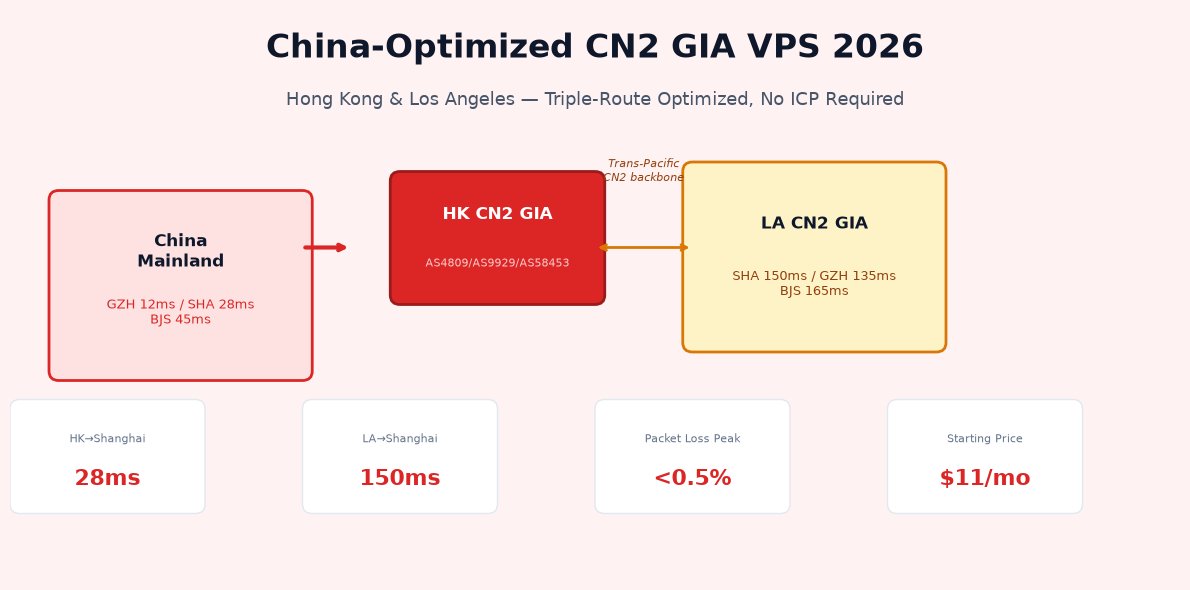
Use a test address supplied for the intended location. Record the source ISP, test time, destination and route direction. Compare latency and packet loss across normal and busy periods, then test application response times separately.
MTR is useful evidence, but intermediate-hop rate limiting can appear as loss without affecting the destination. Review destination behavior and return-path evidence before concluding that a transit link is faulty.
Validate the deployment
Use a staging instance or non-production workload to check package compatibility, database performance and memory use. Keep logs and note the operating-system and application versions so you can repeat the comparison.
Define a backup location and recovery procedure before moving production data. Confirm maintenance, IP changes and rollback steps if you later move the application to another region.